
Woodworking How To Make Biscuit Joints

So Is A Biscuit Joiner Completely Useless Youtube

Biscuit Joint Trick You Ve Probably Never Seen This Before Youtube

Woodworking Hack No Domino Biscuit Joiner No Problem Youtube
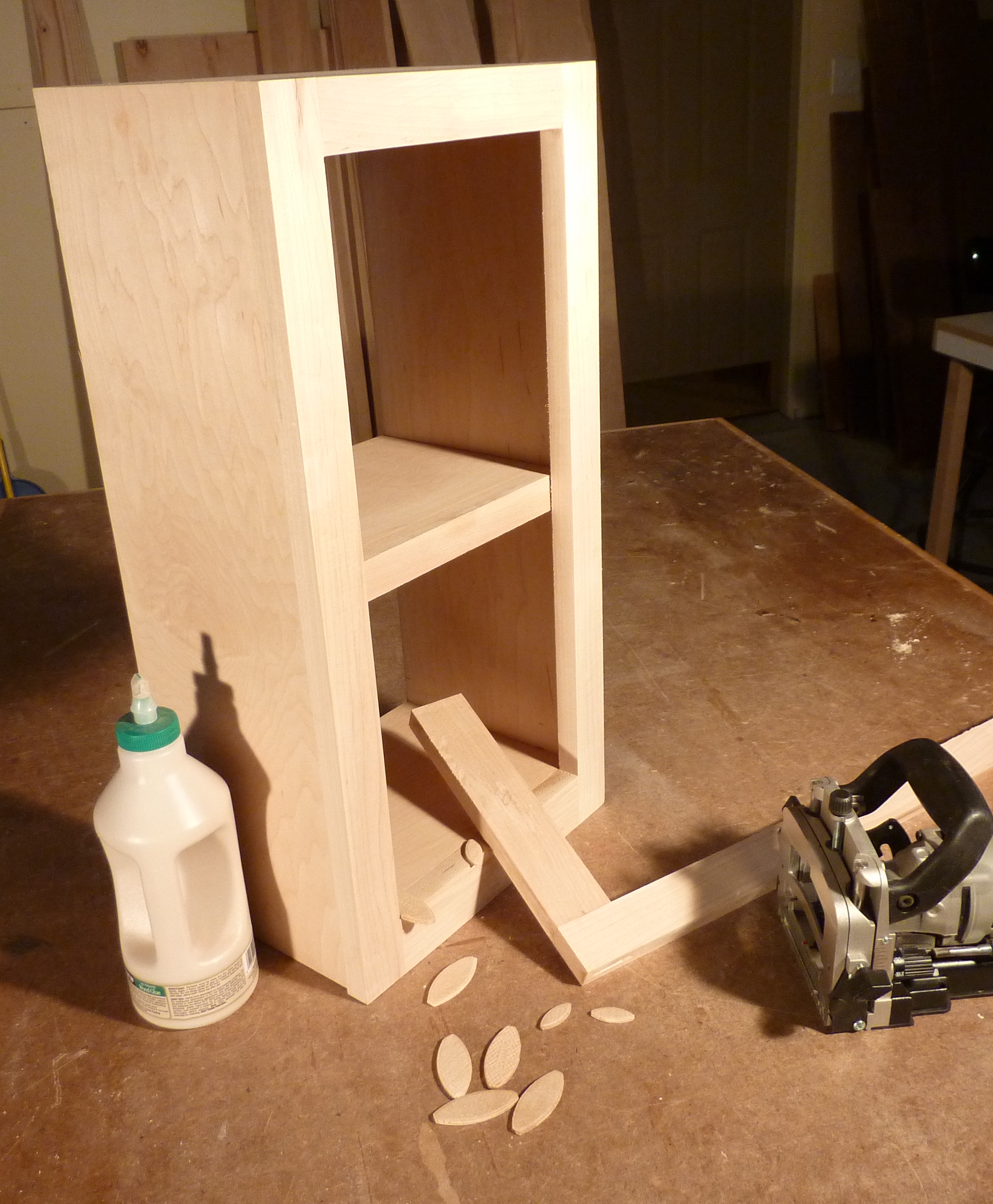
A Biscuit Joiner Can Be Used For Almost Anything Woodworkers Guild Of America

How To Make A Biscuit Joint 11 Steps With Pictures Wikihow
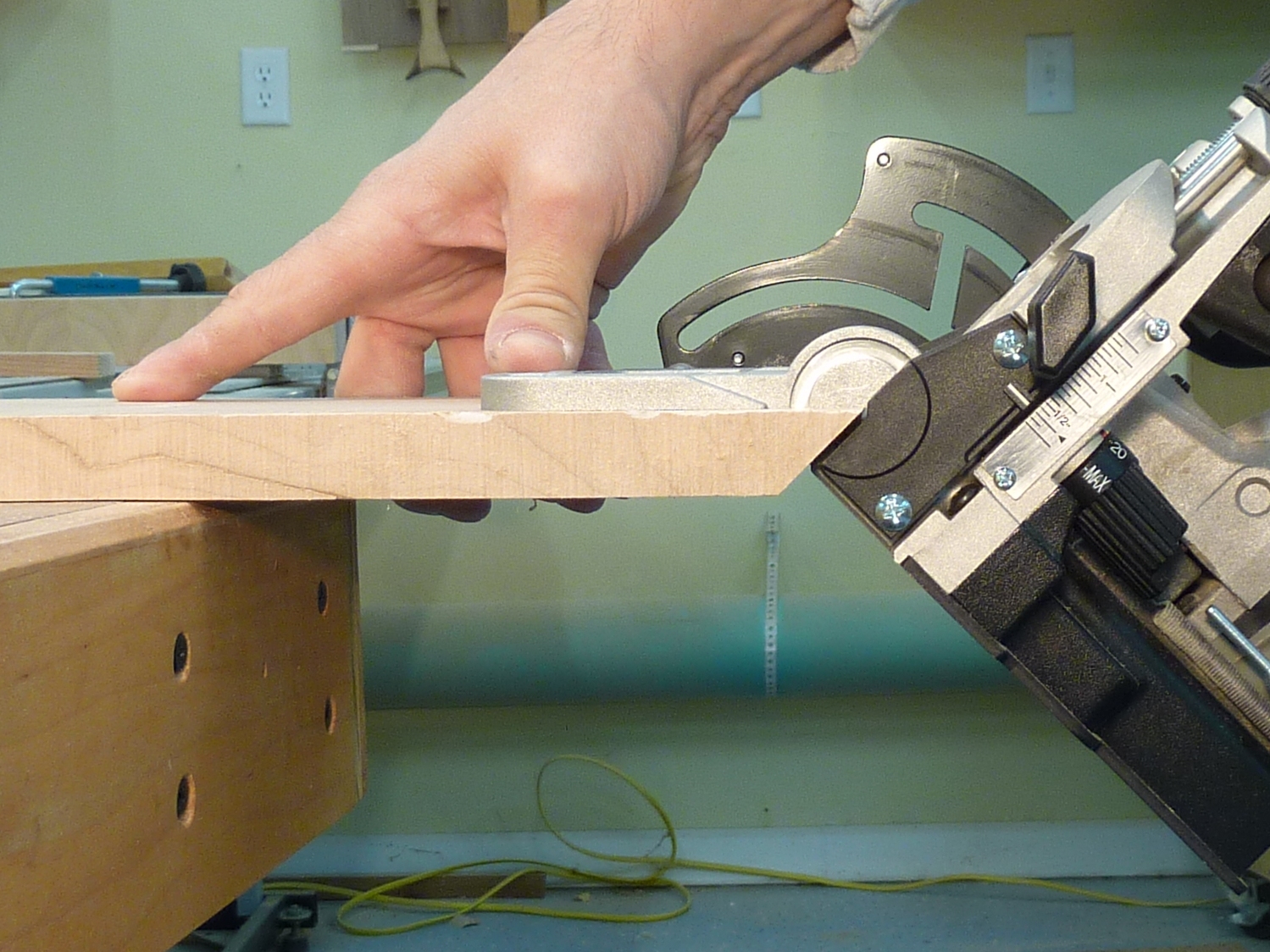
A Biscuit Joiner Can Be Used For Almost Anything Woodworkers Guild Of America
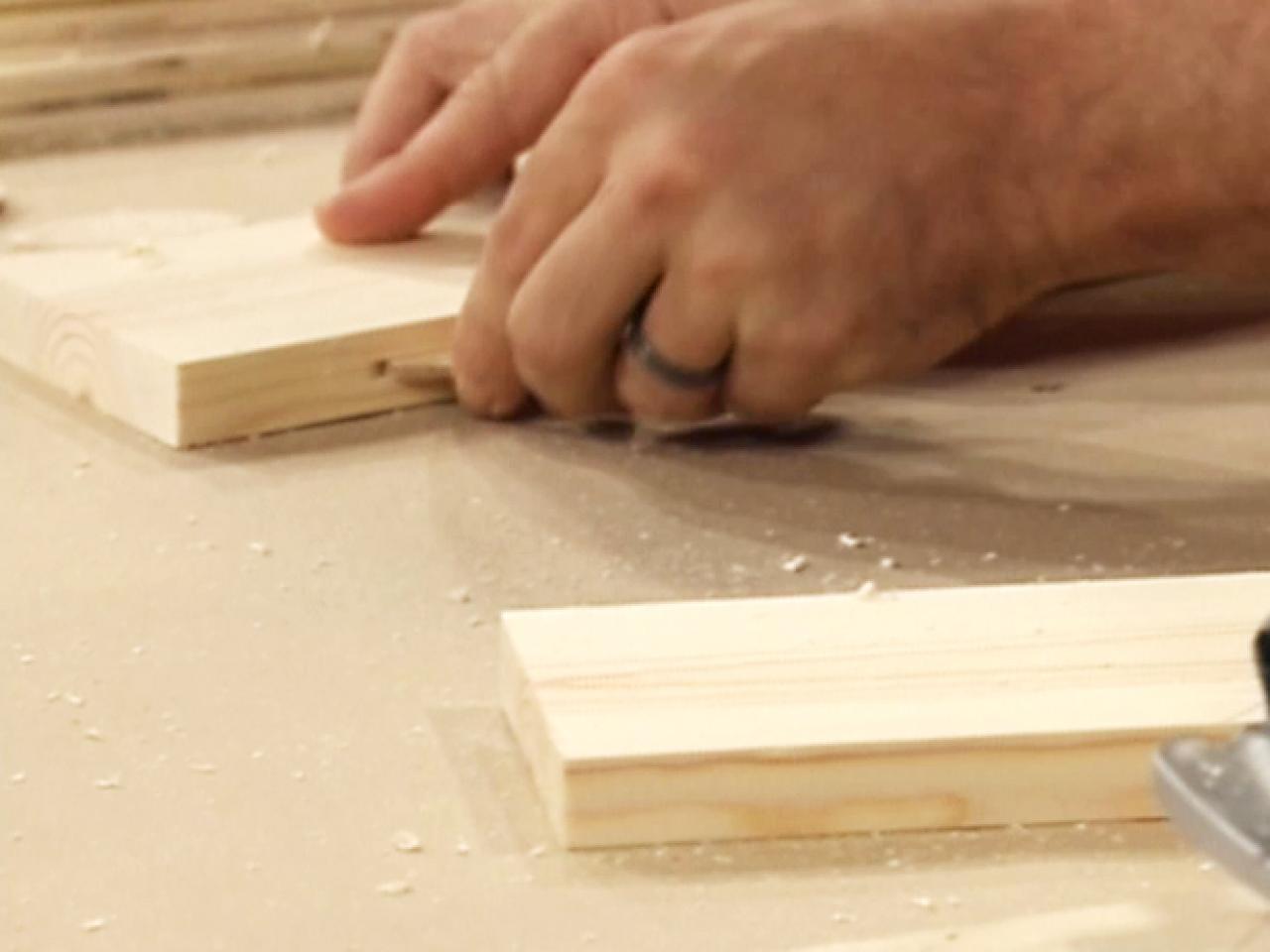
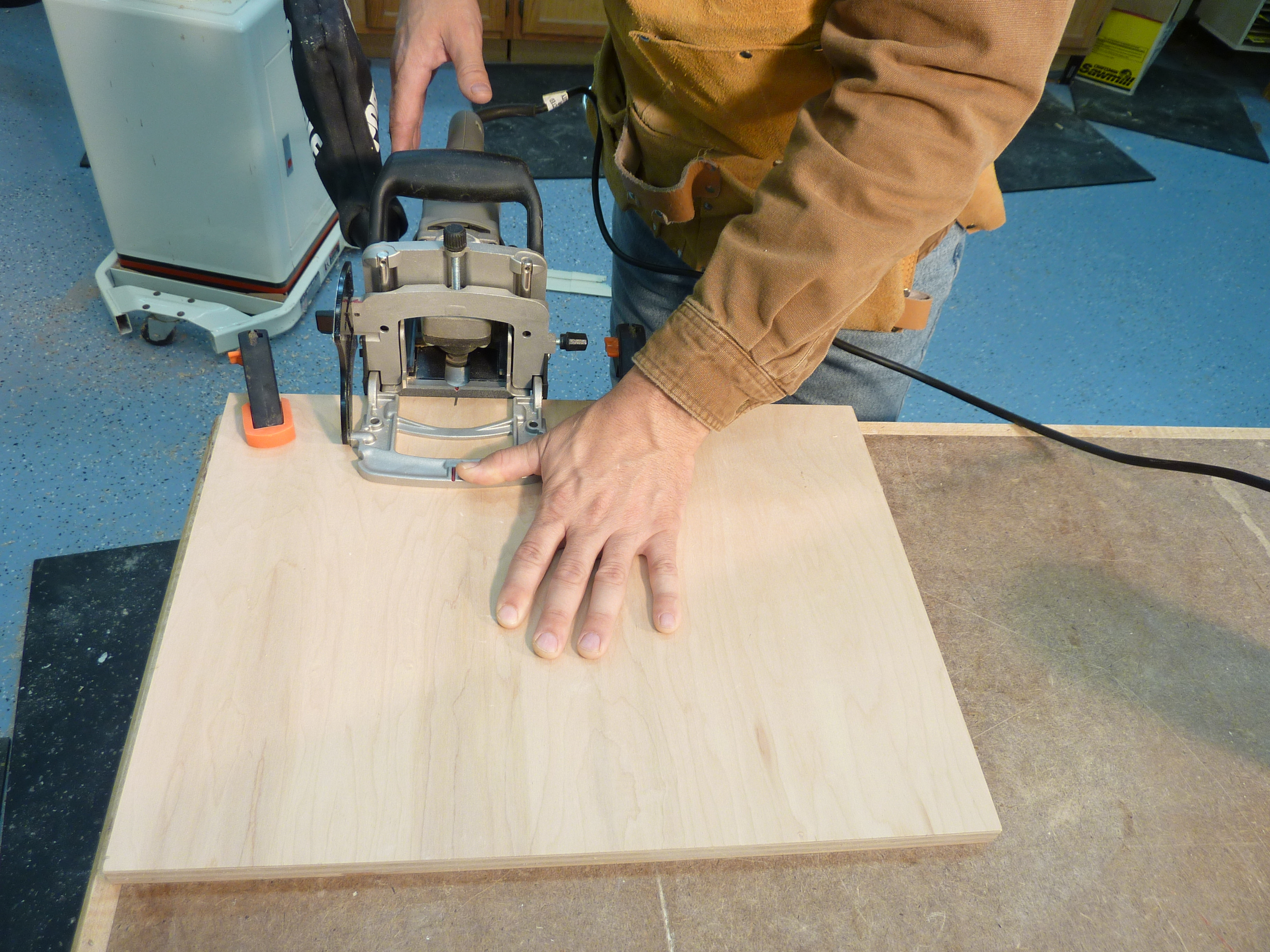
Clamp the side and shelf together and to your bench with the edges flush to each other.
Woodworking how to make biscuit joints. The Family Handyman editor Ken Collier explains the basics of using a biscuit joinera great tool for building cabinets bookshelves and other woodworking. Then you glue in a football-shaped biscuit and clamp the joint tightly. As the term suggested Wood joints refer to joining two or more pieces of wood or lumber together that create a structure.
Clamps are used to press and hold the two pieces of wood together to allow the glue to dry and the connection to set. A tool known as a biscuit joiner cuts a slot into each of the two pieces of wood to be joined adds glue to the slots inserts the biscuit into one and then the other to join the pieces together. This technique is used for making tabletops furniture and cabinets and although it requires special tools it is within the reach of most hobby woodworkers in a home woodshop.
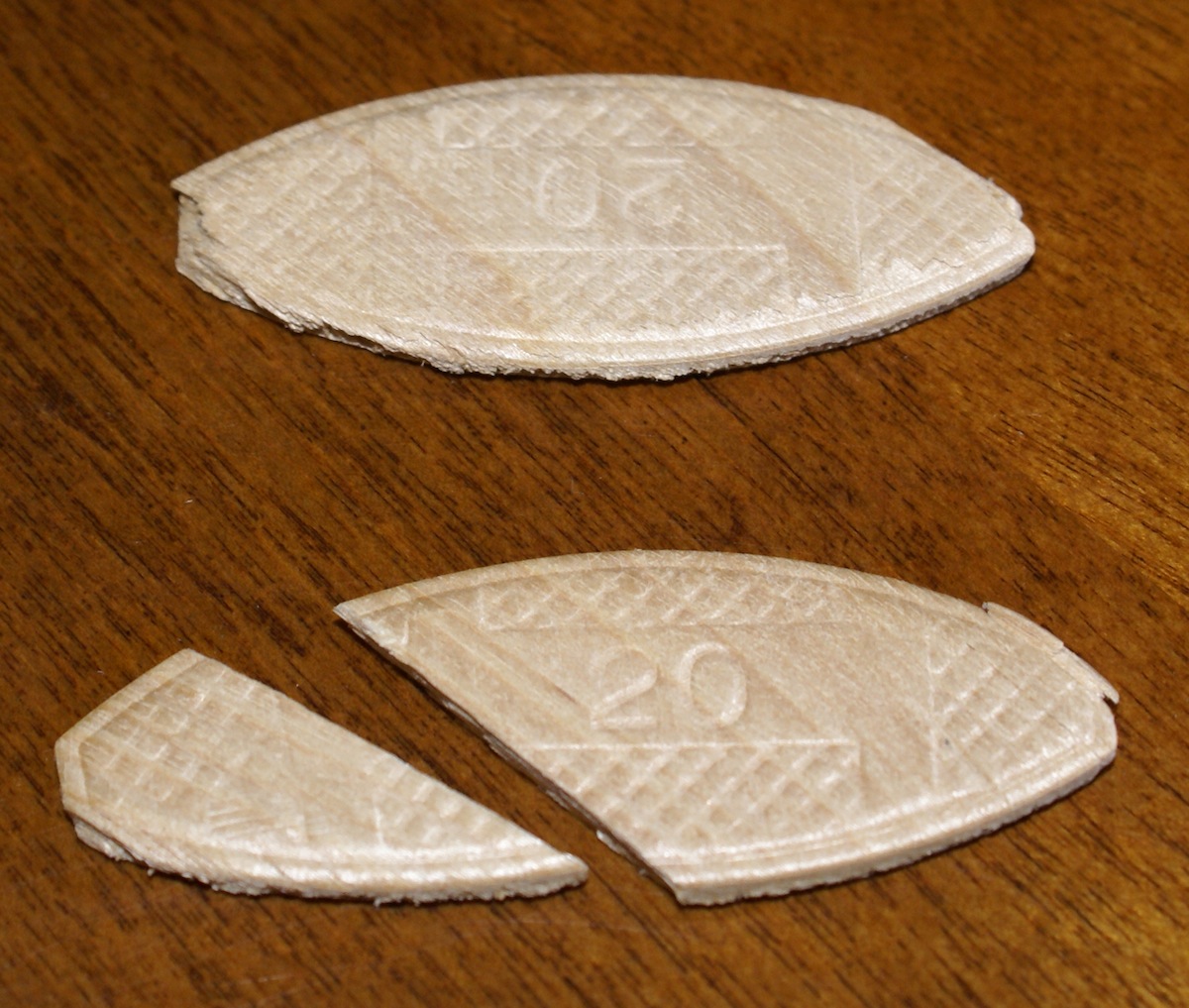
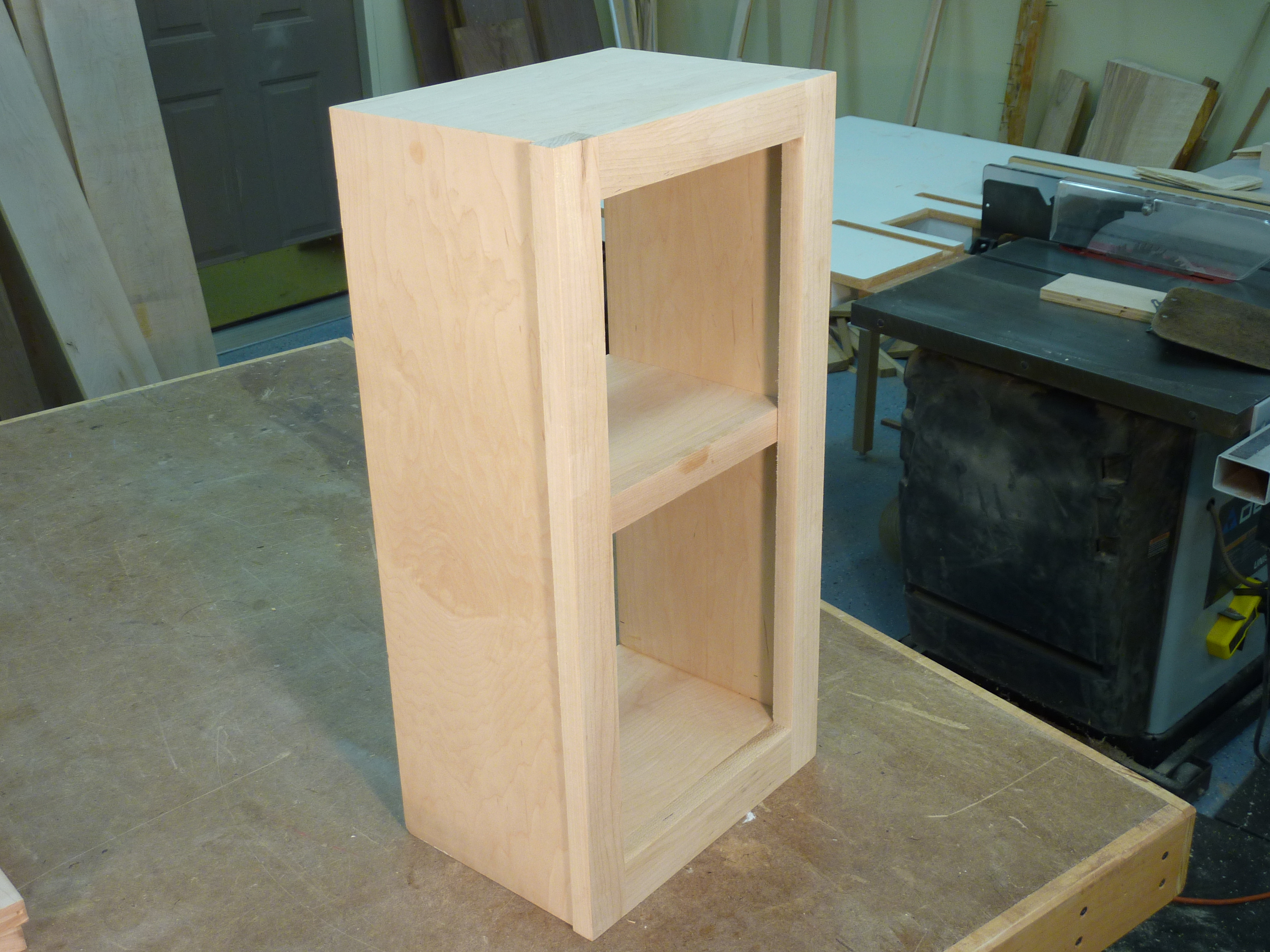
Biscuits provide butt joints added strength and durability. Commonly used in frame and carcase construction biscuit reinforced butt joints are made by matching the edges of two boards to form a corner. Types of Biscuits and which ones should you use How to Make Biscuit Joints with a Router 1 Alignment and marking the locations 2 Setting up the router 3 Clamping and cutting the first piece of wood.
The biscuit joiner aligns the slots precisely so that when the two pieces of wood. Now cut your biscuit slots first in one piece then in the other. Joinery - Using a Biscuit Joiner.
Next separate the boards and adjust your biscuit joiner for the appropriate size of the biscuit. Using a biscuit joiner and biscuits is a great way to join multiple pieces of lumber so the boards are aligned during glue upthis is a big time saver. Glue it all up and it will be much stronger than biscuits the.
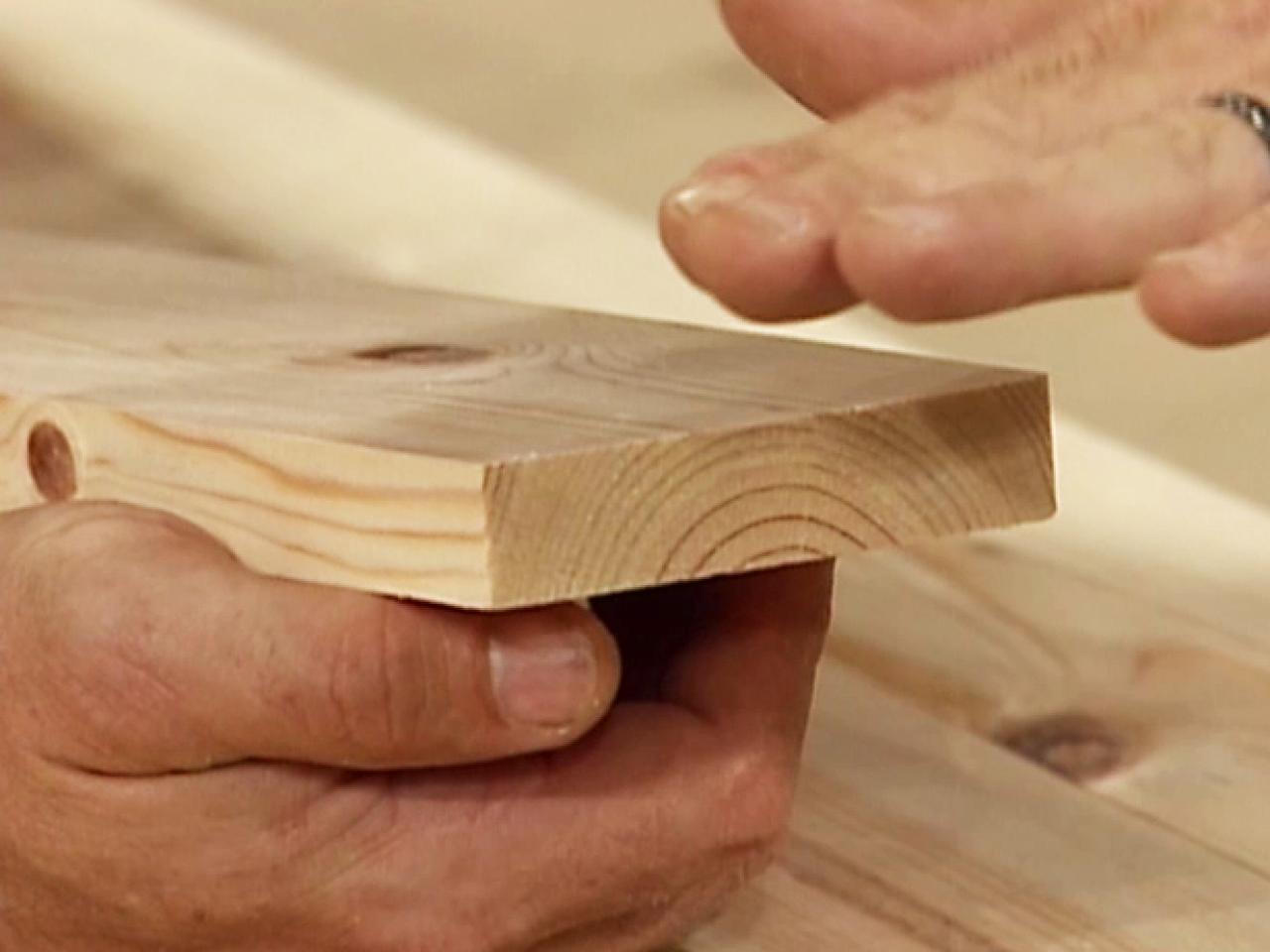
At least they are when you get the hang of them. Once the boards are in the proper positions use a pencil to make marks across the joints every 4 to 6 inches. These are used in most woodworking projectsfrom table tops and legs to shelving cabinets and partitions.
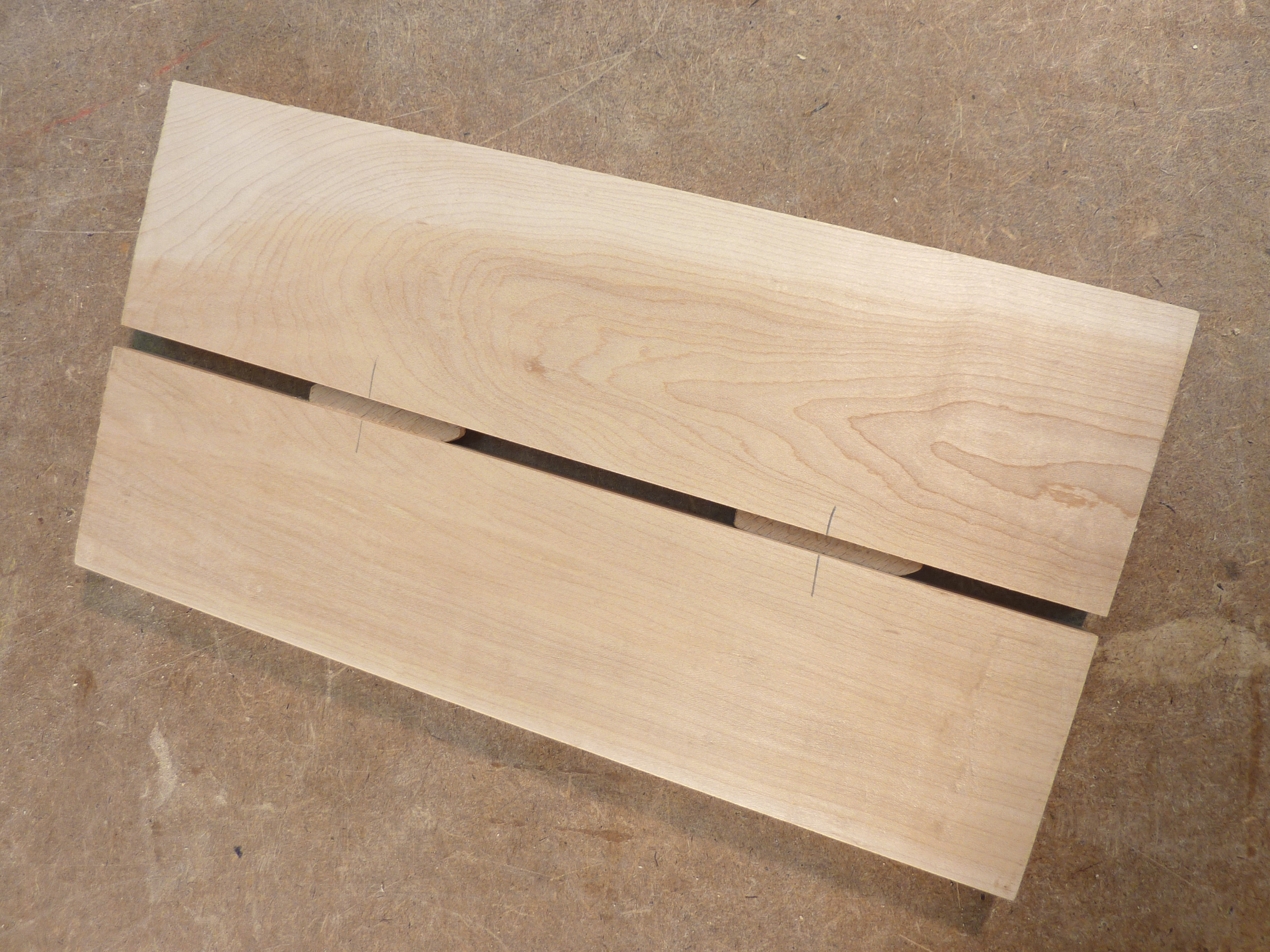
A Biscuit Joiner Can Be Used For Almost Anything Woodworkers Guild Of America
A Biscuit Joiner Can Be Used For Almost Anything Woodworkers Guild Of America

Biscuit Joiner Spline Jig Joinery Tips Jigs And Techniques Woodarchivist Com Woodworking Workshop Woodworking Joints Woodworking Bench
How To Use A Biscuit Joiner How Tos Diy
Are Biscuits Strong Enough The Wood Whisperer
A Biscuit Joiner Can Be Used For Almost Anything Woodworkers Guild Of America
How To Use A Biscuit Joiner How Tos Diy

50 Years Of Biscuit Joinery Woodworking Network

Wood Connections With The Biscuit Jointer Einhell Blog

Pin On Woodworking

Biscuit Joiner Table Biscuit Joiner Tips Jigs And Fixtures Woodworking Woodworking Basics Diy Woodworking

Biscuit Joiner Wikiwand

Pin On Pallet Diy Tutorials
