
How To Work With Wood Veneer
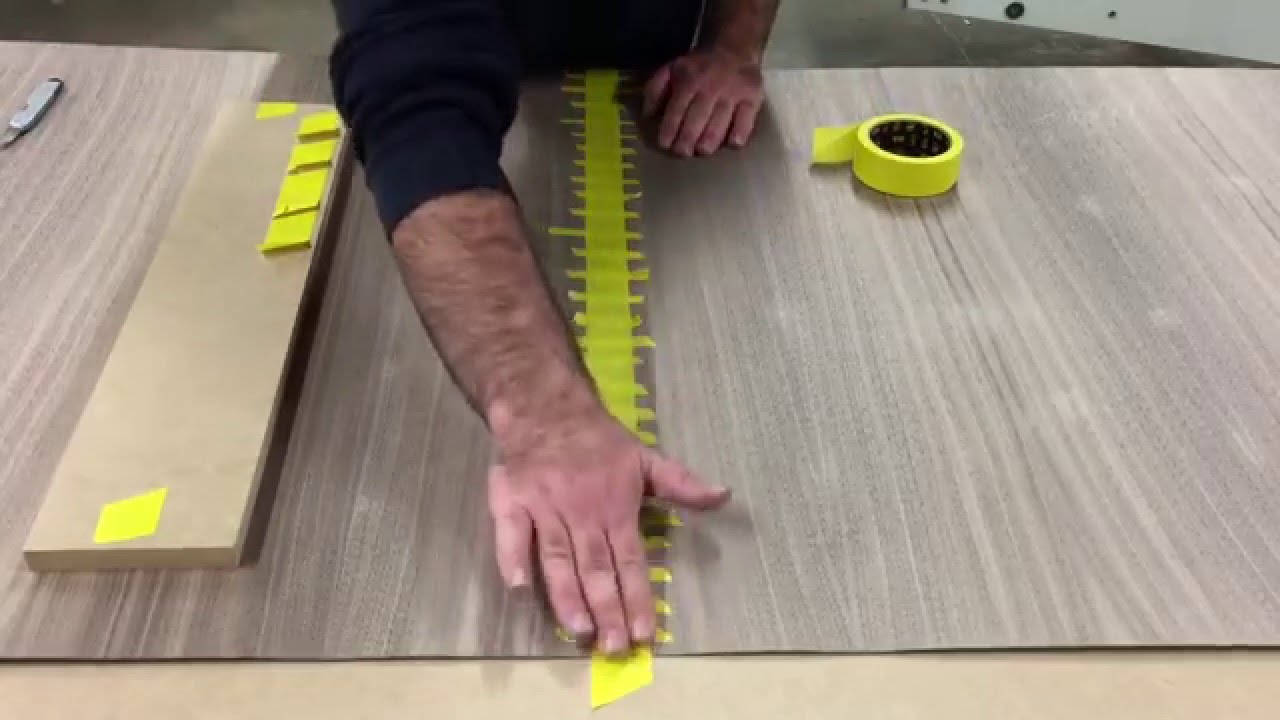
Wood Veneer Joining Technique Woodworking Veneers Woodworking Wood Veneer

Koto Wood Veneer Wood Veneers Wood Veneer

Table 01 Wood Patterns Wood Art Woodworking

Learn More Https Htsveneer Wixsite Com Veneer Veneer4de Ow Ca Veneers Wood Wood Veneer

Wood Veneer Joint Technique Gustafs Easy Mix Ash Veneer In 2020 Veneers Veneer Panels Wood Veneer

Zebrano Wood Veneer In 2021 Wood Veneer Veneers Zebra Wood

All of woodworking takes patience and attention to detail.
How to work with wood veneer. They dont split or crack as easily as raw veneers and they work with a wide variety of adhesives. Allow it to set. PVA glue contact adhesive and hide glue will all work.
One trick is to put sticky back sandpaper on the back side of the straight edge. Im excited to work with GL Veneer. Veneering with hydraulic press is a straightforward process.
In those situations you can remove the damaged veneer then simply apply a new sheet of veneer to the wood underneath. But in some cases this would be less work than actually replacing the wood. While I had no easy solution for her I thought it would help if I explained what veneer is and at least how you can best work with it.
Basic articles about how to veneer If you are just starting out learning about veneering this collection of articles will be a great help. This will maximize its effectiveness. There are a few basics that you need to know before you begin working with veneer such as what tools you will need what glue to use how to store veneers properly and which veneers you should buy when just beginning for practicing.
Plywood is most commonly used as the substrate because it is dimensionally stable meaning that it does not expand and contract much with changes in temperature or humidity. With more than 40 years in the wood business these guys know about wood. Another option is to chip off the veneer with a putty knife like we did on this buffet.
Simply apply the glue to the back side of the substrate and lay the backer veneer onto that surface. A veneer hammer which is really more of a stiff blunt metal scraper attached to a long handle is used to smooth out the veneer on the substrate and to squeegee out excess amounts of. Be sure to mix the adhesive thoroughly before applying it.

Olive Ash Veneer Wood Timber Veneer Ash Wood

Angelim Wood Veneer Veneers Wood Veneer Wood

Pin On Htsveneer Veneer Go

American Oak Wood Veneer Red Oak Wood White Oak Wood Wood Veneer

Pine Wood Veneer In 2020 Wood Veneer Wood Pine Wood

Pin On Wood Veneer

Wood Veneer Wood Veneer Veneers Wood

Woodplanstexture Painted Wood Texture Wood Texture Light Wood Texture

Olive Ash Straight Line Veneers Wood Texture Wood Veneer

Pin On Wood Veneer
Pin On Colorful Wood

Figured Anigre Wood Veneer Veneers Wood Wood Veneer

Burma Teak Natural Veneers Wood Veneer Timber Veneer Wood
